


How to choose a led display screen for a conference room
1. LED display screen: Suitable for large conference rooms or lecture halls, P2.5 and below full-color LED screens can provide barrier free display effects, with rich colors and high brightness, very suitable for meetings.
2. LCD splicing screen: LCD splicing screen is recommended for medium-sized conference rooms, designed to achieve 4K high-definition display, high stability and long-term viewing without glare, especially suitable for close range viewing.
3. Touch all-in-one machine: For small conference rooms, a 100 inch LCD or LED touch all-in-one machine is an ideal choice. In addition to display function, it also supports touch and wireless screen mirroring, making it convenient to display phone content on the screen.
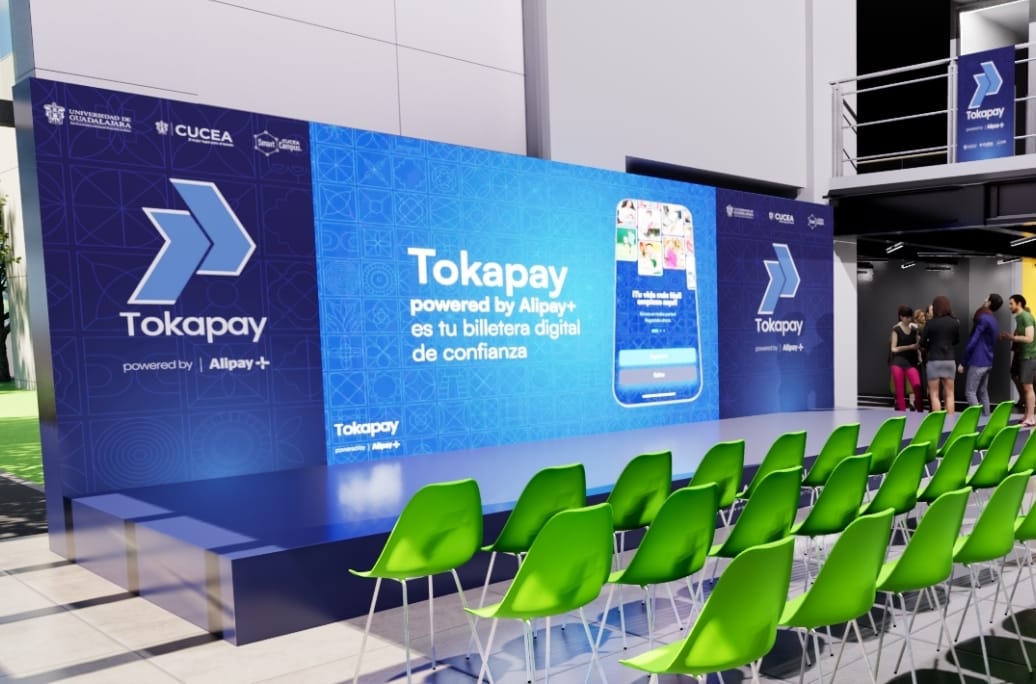
1.The selection of LED display screens for general conference rooms often takes into account factors such as display effect size, proportion, installation method, interface and compatibility, as well as intelligent integration of smart meetings.
2.The selection of dot pitch for LED screens refers to the distance between adjacent pixels. Common dot pitches include P1.53, P1.86, P2.0, P2.5, etc. The smaller the dot pitch, the finer the displayed image. The best spacing for the LED display screen in the conference room is between P1.5 and P2.5.
Small conference room (10-20 people), recommended P1.5-P1.8 small pitch LED screen, resolution up to 4K standard, ensuring close viewing without graininess. It can be designed and made into a touch LED display screen, supporting wireless screen mirroring, which is very suitable for small meetings.
Medium/large conference rooms (20-50 people or more). Choose P1.8-P2.5 pitch products and expand the screen size to 150-200 inches. Supports high brightness of 800-1500 cd/m ². It is recommended to choose an anti light coating to avoid environmental light interference and ensure clear presentation of PPT and data charts.
Large conference rooms (multifunctional halls/lecture halls) can be designed with curved or irregular splicing screens, combined with naked eye 3D technology, to adapt to scenes such as stages and remote videos. Synchronize the configuration of a distributed control system to achieve multi screen linkage and content split screen display.
3. The selection of LED resolution refers to the pixel density obtained by multiplying the horizontal pixel count by the vertical pixel count of an LED display screen. The higher this value, the more delicate the display effect of the screen and the clearer the image. The smaller the dot spacing, the higher the LED resolution and the finer the image.
Resolution selection: For medium-sized conference rooms, P1.8, P1.5, and P1.25 small pitch display screens are good choices. Large conference rooms or lecture halls are more suitable for using P2 or P2.5 display screens to provide a clearer visual experience.
4.The refresh rate of an LED display screen refers to the number of frames the screen updates and displays per second. The higher the refresh rate, the smoother the image displayed on the screen. A high refresh rate display screen can present dynamic images more accurately, reducing screen ghosting and blurring. It is recommended to choose a refresh rate of no less than 1080P and 60Hz to ensure the clarity and smoothness of the image, and a refresh rate of 3840Hz or higher to eliminate video ghosting,
When designing and configuring the LED screen in the conference room, it is important to consider future usage scenarios. For example, if it is necessary to meet the requirements of design content review, the color gamut should be wide. The NTSC 110% wide color gamut should restore true colors to ensure that the submitted works are not distorted during the design scheme review.
If you want to know more information about LED display screen,welcome to contact shenzhen jiulong optoelectronics Co.Ltd we will provide you the best solution for your meeting room.Looking forward to your early reply.