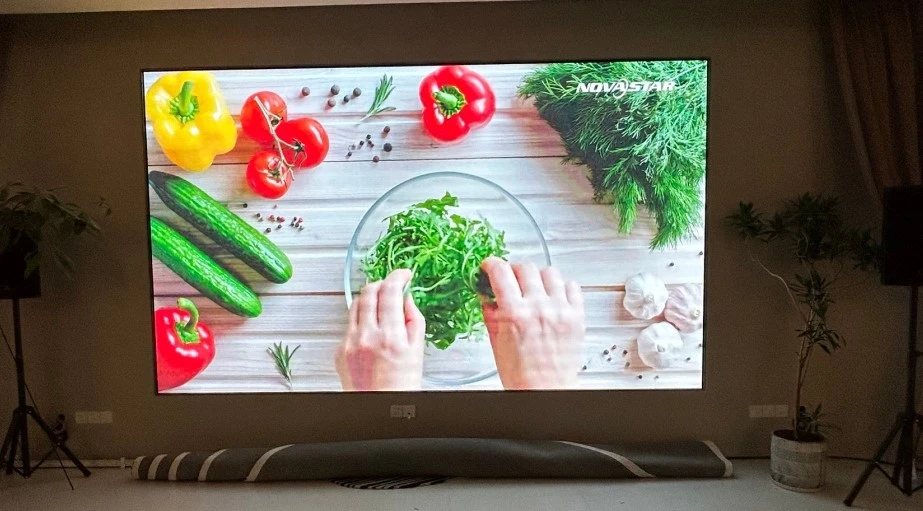
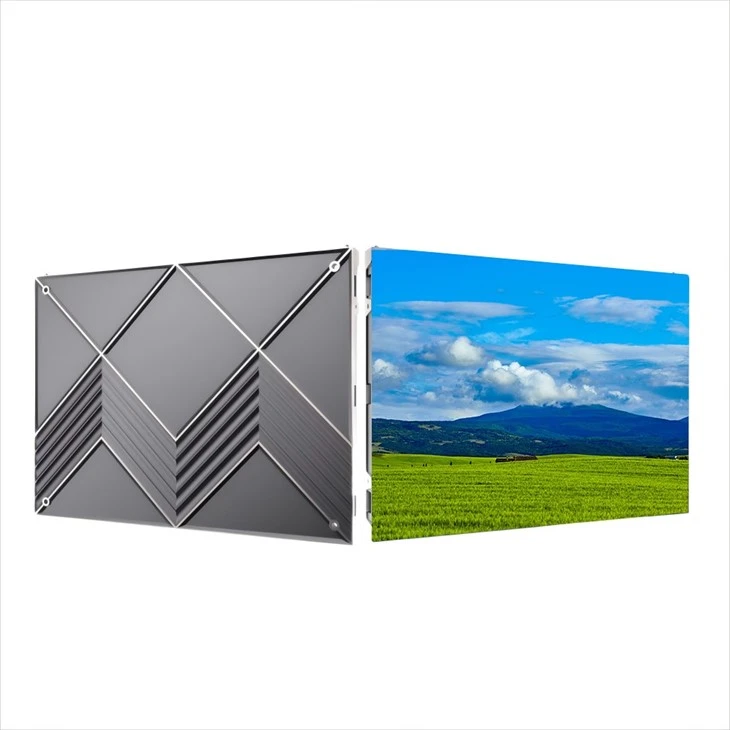
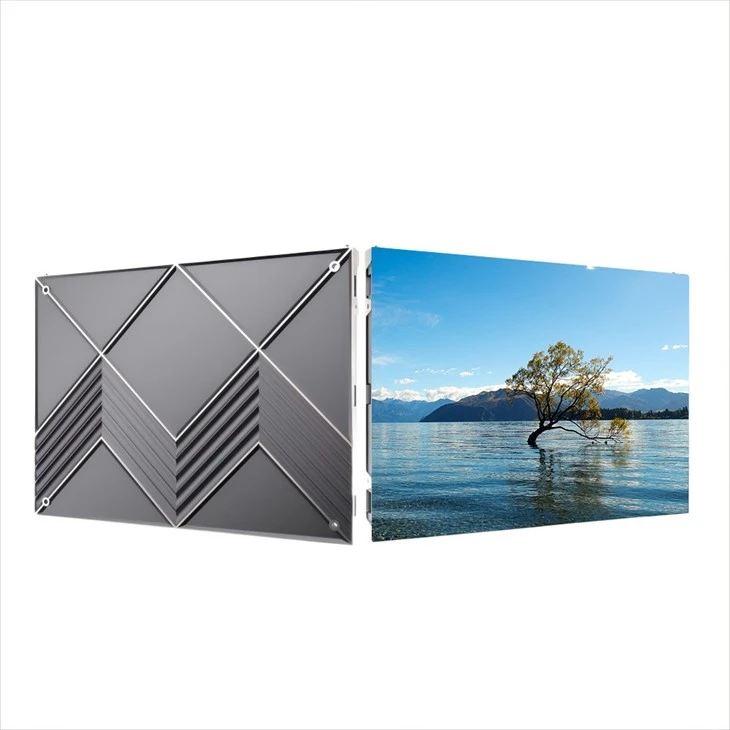
Our Advantages
1.Original factory,can support customized according to your LED display requirements.
2.LED display screen model we have:
Indoor & outdoor fixed LED display screen
Indoor & outdoor Rental LED screen
led ball screen
Transparent LED screen
Holographic LED display
3.Delivery time about 7-10 days for regular LED screen,15 days for customized led screen
4.Stable LED screen quality and economy price.
5. 5 years warranty
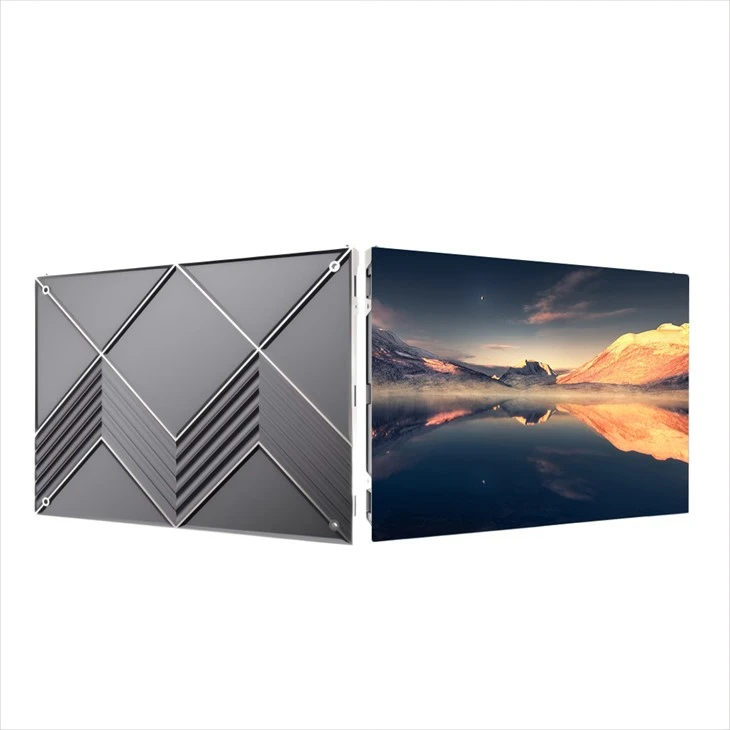
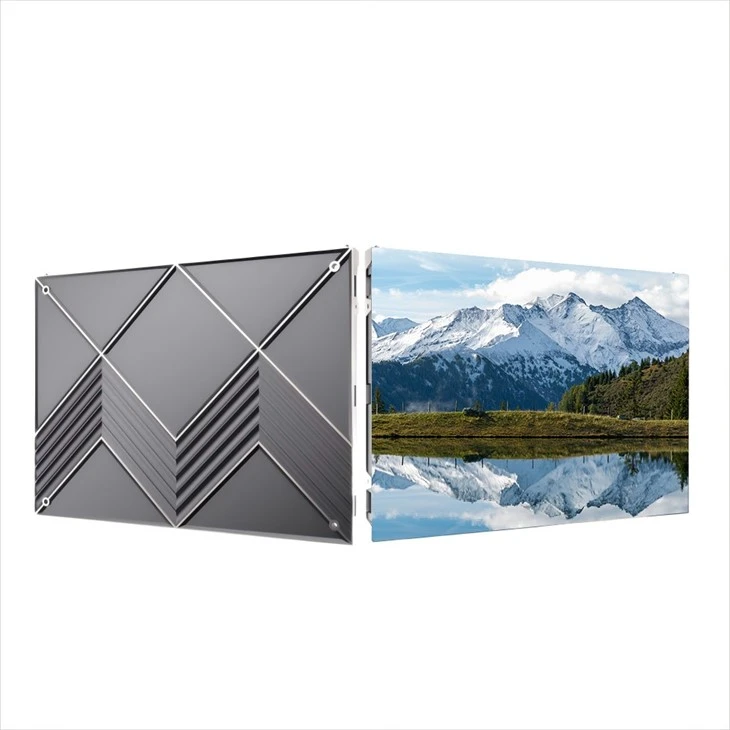
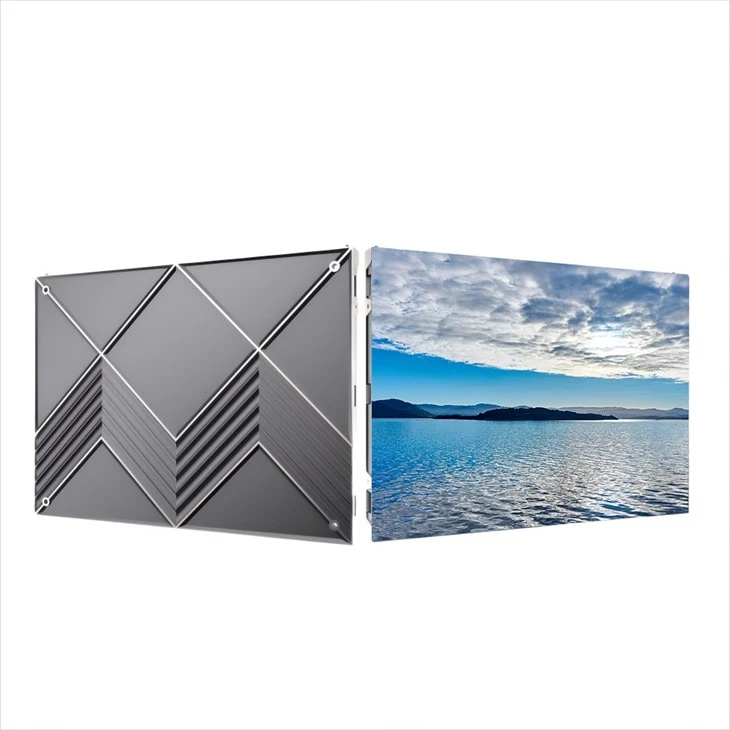
LED module 320x160MM
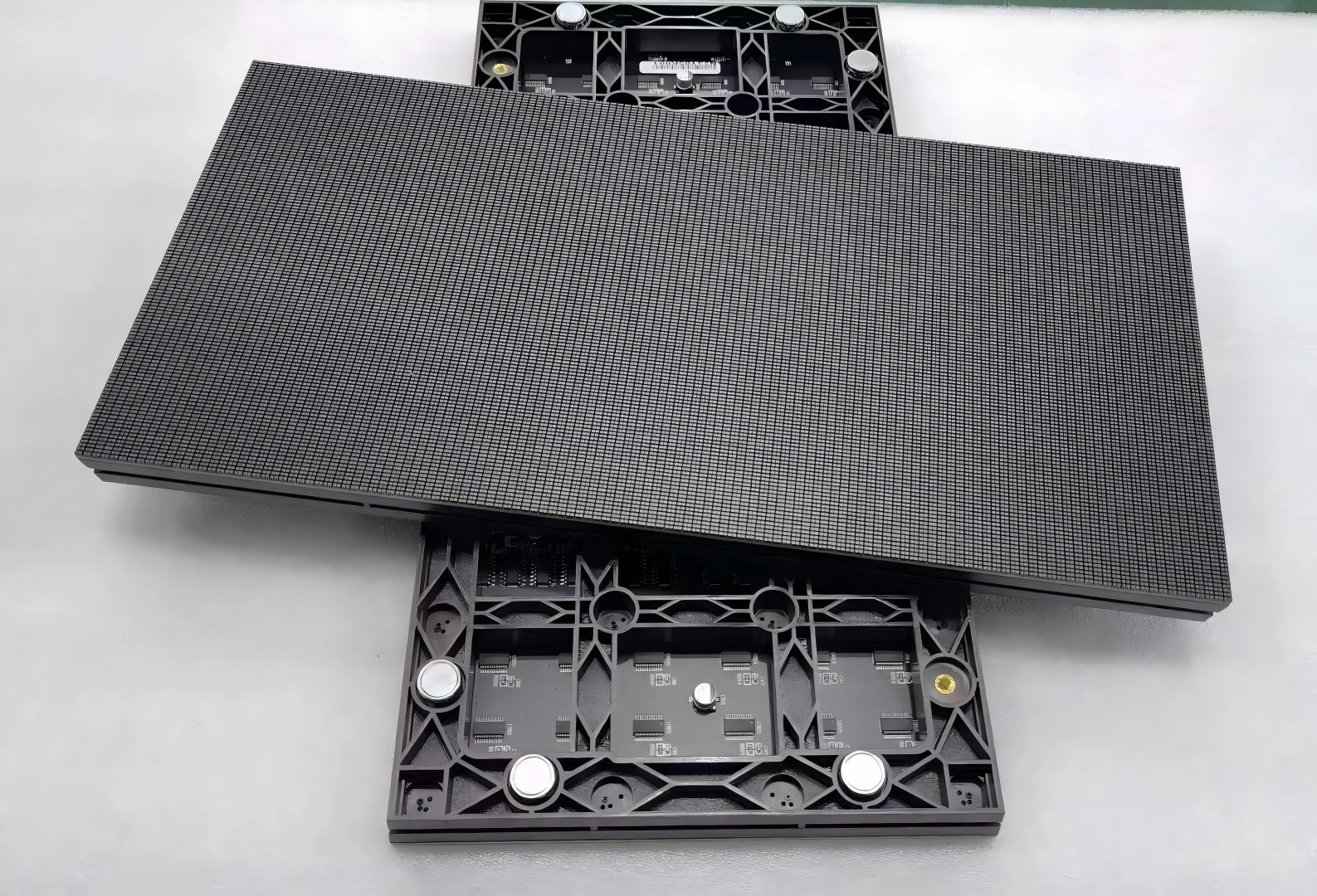
Parameters
|
Item |
Parameter |
|
Model No. |
JL-PH1.538-52 scan indoor LED screen |
|
Led module size |
320x160MM |
|
Physical pitch |
1.538MM |
|
Physical Density |
422500 dot/m2 |
|
Package mode |
SMD 3IN1-1515 |
|
Module Resolution |
208 dots(W)* 104 dots(H) |
|
Max Power |
22W |
|
Module thickness |
18mm |
|
Module Weight |
498g |
|
Drive type |
Constant drive |
|
Scan mode |
1/52 scan |
|
Cabinet size |
640x480MM |
indoor 1.86 LED screen
|
Cabinet size |
640x480MM |
|
best viewing angle |
H:140°;V:120° |
|
recommended viewing distance |
≥1.2m |
|
Driving IC |
ICN2163 |
|
Rate refresh |
3840Hz |
|
Brightness of white balance |
700cd/㎡ |
|
Input voltage |
110-220V;AC±10% |
|
operating temperature/humidity |
-20℃~+50℃ |
|
Average Power Consumption |
220w/㎡ |
|
Max. Power Consumption |
550w/㎡ |
|
MBTF |
>5000 hours |
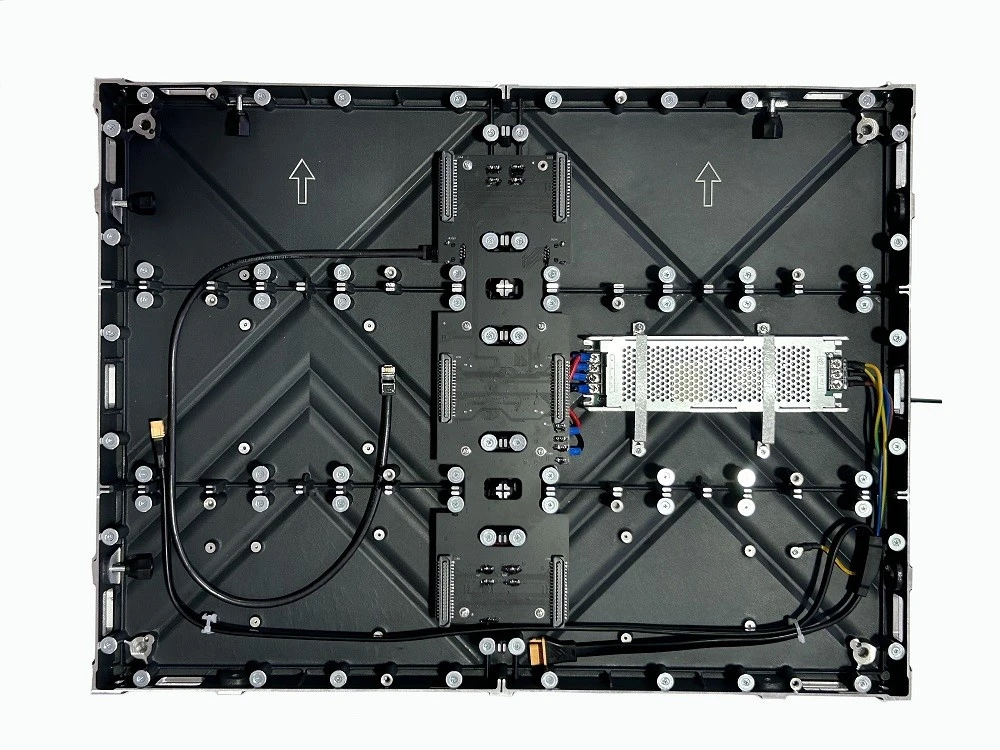
LED cabinet- 1.538 indoor LED screen
LED display Description
1. Pixels of LED display screens
Pixels are the smallest imaging unit of a display screen, generally composed of a single or multiple light-emitting diodes. For example, the pixel written in some display screen design plans is: 2R1G1B, which means that the smallest imaging unit of the display screen is composed of 2 red light-emitting tubes, 1 green light-emitting tube, and 1 blue light-emitting diode (in the display screen industry, red, green, and blue light-emitting tubes are usually replaced by their English letters, R, G, and B), P represents the dot pitch, and φ represents the dot diameter.
2. Brightness of LED display
The brightness of LED display refers to the luminous intensity per unit area of the display when the display is working normally. The unit is cd/m2 (i.e. how many cd of luminous intensity per square meter, "cd" is called candela in Chinese, and m2 is called square meter in Chinese). The brightness of indoor video screens is generally between 200~1200cd/m2. The brightness of outdoor video screens is generally between 3000~7000cd/m2.
The brightness of an LED display is a difficult indicator to measure (because the test instrument is expensive). It can usually be calculated by testing the light intensity of the light-emitting tubes of the display. For example, when a 2500-dot/m2 outdoor full-color LED display is white-balanced, 10 pixels are randomly measured with a light-emitting diode light intensity meter. The average light intensity of the red tube is 420mcd; the green tube is 1620mcd; the blue tube is 285mcd. The brightness of the display is 2500X(2X420+1620+285)/1000=6862.5cd/m2, 6862500mcd/m2, because the screen has 2500 pixels per square meter, and each pixel has 2 red tubes, 1 green tube, and 1 blue tube.)
3. LED display viewing angle
According to the Ministry of Information Industry SJ/T11141-2003 standard, the viewing angle is the angle between the two viewing directions and the normal direction of the same plane when the brightness in the viewing direction drops to half of the brightness in the normal direction of the LED display. It is divided into horizontal viewing angle and vertical viewing angle.
The viewing angle of the LED display reflects whether the side viewing effect is good. The larger the viewing angle, the better the side viewing effect. On the contrary, the side viewing effect is poor. The viewing angle of the LED display is generally divided into horizontal viewing angle and vertical viewing angle. Generally, the horizontal viewing angle of the indoor screen is preferably above 150 degrees, and the horizontal viewing angle of the outdoor screen is preferably above 100 degrees.
4. LED refresh rate
The rate at which the LED display screen updates the image. The higher the refresh rate, the more stable the image. The refresh rate determines the stability of the LED display screen. For LED displays with a grayscale of not less than 8 bits (256 grayscale levels), the refresh rate should be not less than 100Hz. Below this frequency, the screen will flicker or fluctuate like water ripples, which can easily cause eye fatigue in the audience. The higher the refresh rate, the less flickering the playback screen can be felt by the human eye, and the higher the color level of the output, the more delicate the display of the screen and the richer the color. For dual-color displays that do not pursue effects, it is generally set to 60-75HZ. For full-color screens that require effects, the indoor screen is generally set to 180-600hz, and the outdoor screen is 300-1200hz.