


Introduction
In the dynamic landscape of digital display technology, full-color LED screens have emerged as a cornerstone for visual communication across various sectors, including advertising, entertainment, and corporate environments. These LED screens, capable of rendering vivid images with a broad spectrum of colors through red, green, and blue diodes, offer unparalleled brightness and clarity, making them ideal for both indoor and outdoor applications.
However, the seamless operation of an LED screen relies heavily on ancillary devices that optimize signal processing and content delivery. Central to this is the video processor, which serves as the bridge between input sources and the LED screen's output, ensuring high-fidelity display performance.
Full-color LED screens embody the essence of digitized display systems, integrating advanced features like high refresh rates and fine pixel pitches to support immersive digital experiences. The video processor plays a pivotal role by handling complex signal manipulations that raw LED screens alone cannot manage efficiently. Without it, issues such as resolution mismatches, color distortions, or synchronization lags could compromise the LED screen's effectiveness.
Understanding Video Processors
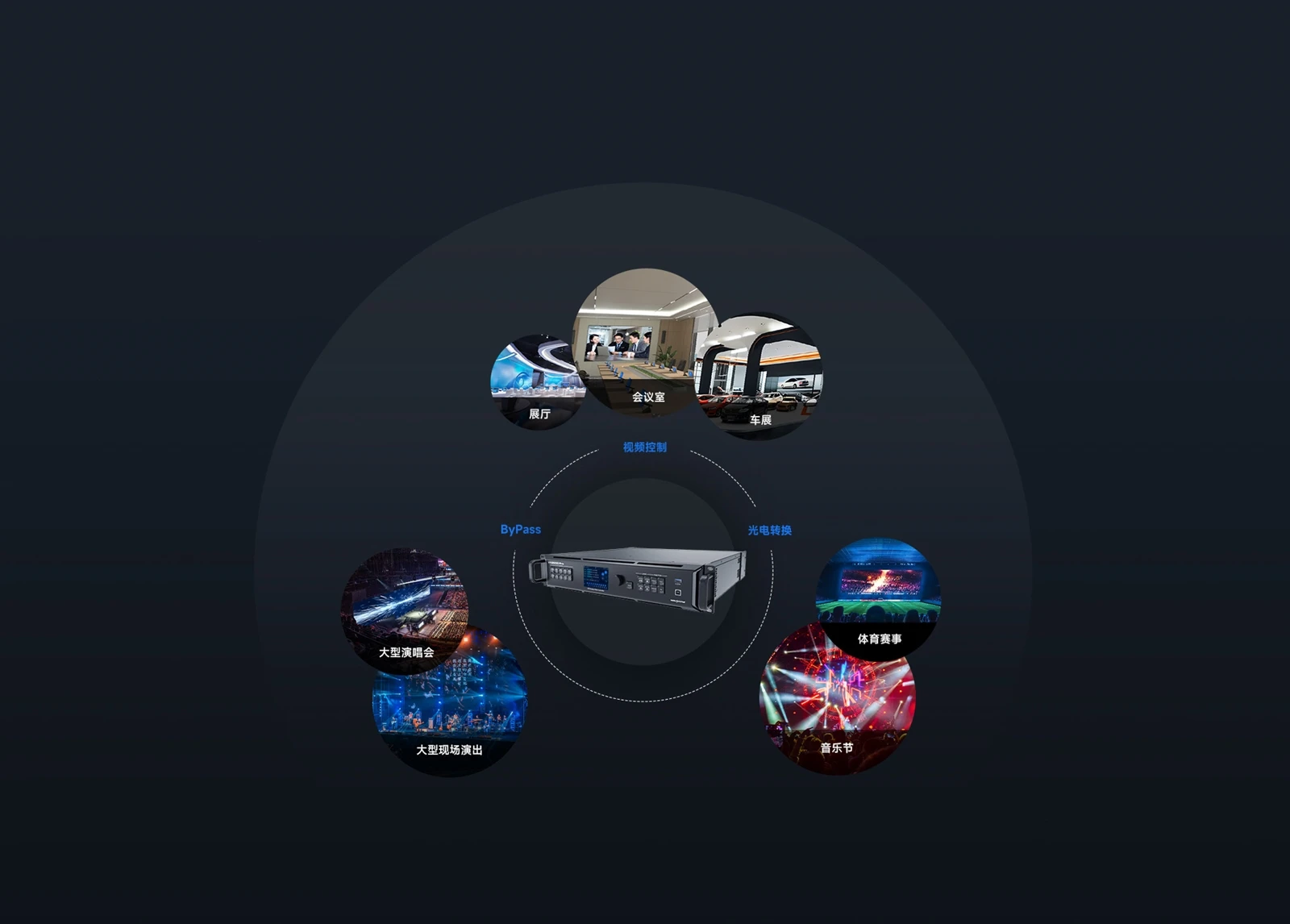
A video processor is a specialized hardware device engineered to process and control video signals for optimal display on full-color LED screens. It functions as a high-performance intermediary that converts, enhances, and distributes signals from various inputs to the LED screen's receiving cards and modules.
Unlike basic controllers that merely transmit data, video processors incorporate sophisticated algorithms for image scaling, color management, and signal synchronization, tailored specifically for the unique architecture of LED screens.
The evolution of video processors has kept pace with LED screen advancements, incorporating features like 4K/8K support and low-latency processing to meet the demands of high-definition digital content.
Key Functions of Video Processors
Video processors fulfill several critical functions that directly contribute to the superior performance of full-color LED screens, addressing inherent challenges in digital display systems
Signal Input and Conversion
Accepting inputs from multiple sources and converting them into formats compatible with the LED screen, preventing compatibility issues in digitized setups.
Image Scaling
Dynamically upscaling or downscaling content to match the LED screen's resolution, preserving aspect ratios and minimizing distortion.
Color Correction
Adjusting brightness, contrast, hue, and saturation to ensure accurate color reproduction and enhance vibrancy on LED screens.
Multi-Screen Splicing
Enabling seamless splicing of multiple LED screens to create a single, cohesive image, essential for video wall configurations.
Real-Time Processing
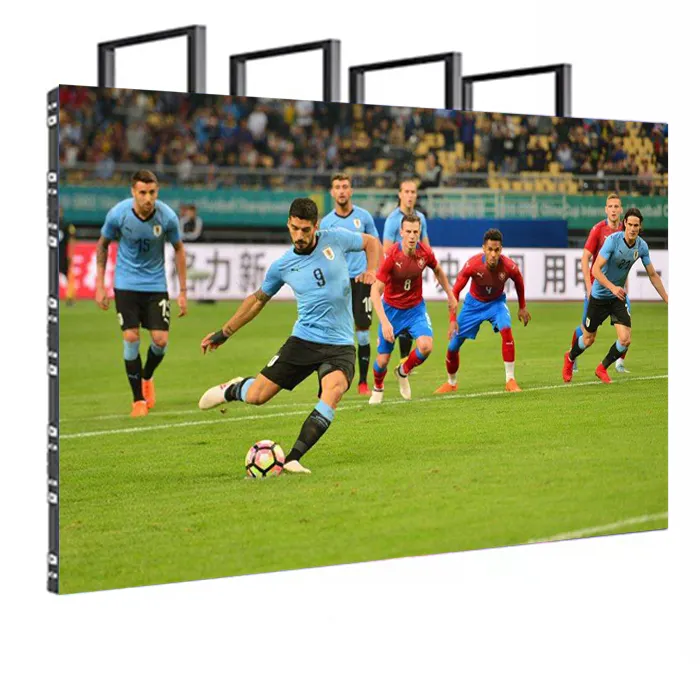
Handling live feeds with minimal delay, supporting high frame rates for applications like sports events or live broadcasts.
Signal Switching
Allowing seamless transitions between multiple inputs without disrupting the LED screen's output, with failover mechanisms.
Benefits in the Digital LED Display Industry
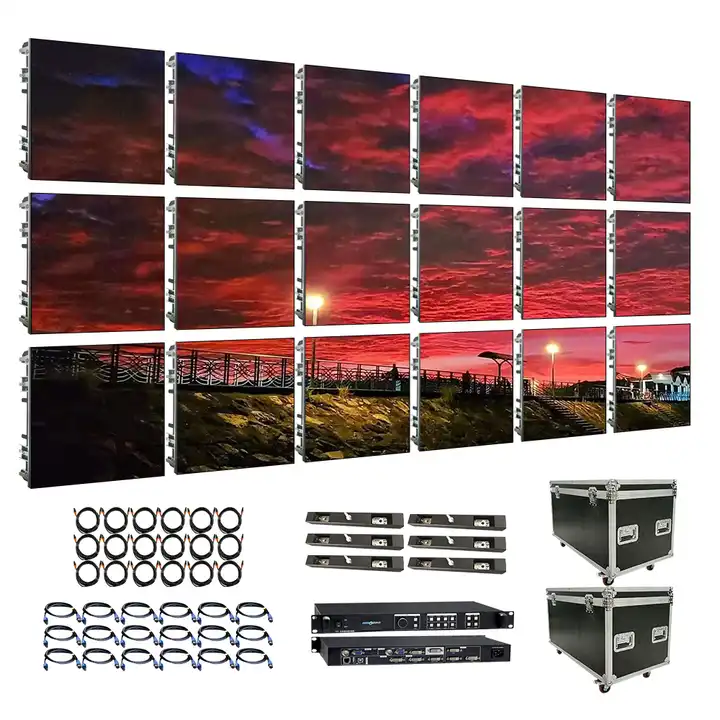
Enhanced Image Quality
Elevates visual performance, making LED screens more effective for captivating audiences in advertising or events.
Energy Efficiency
Optimizes signal processing to reduce energy consumption and extend the LED screen's operational life.
Cost-Effectiveness
Enables LED screens to accommodate diverse content without specialized hardware for each source.
Digital Integration
Supports IoT connectivity, allowing LED screens to interface with cloud platforms for remote management.
Standard Compliance
Ensures precision and adherence to digital standards in critical sectors like healthcare and broadcasting.
Examples and Case Studies
Entertainment Venues
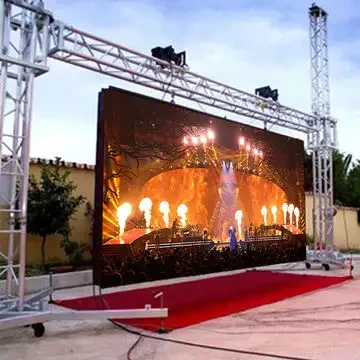
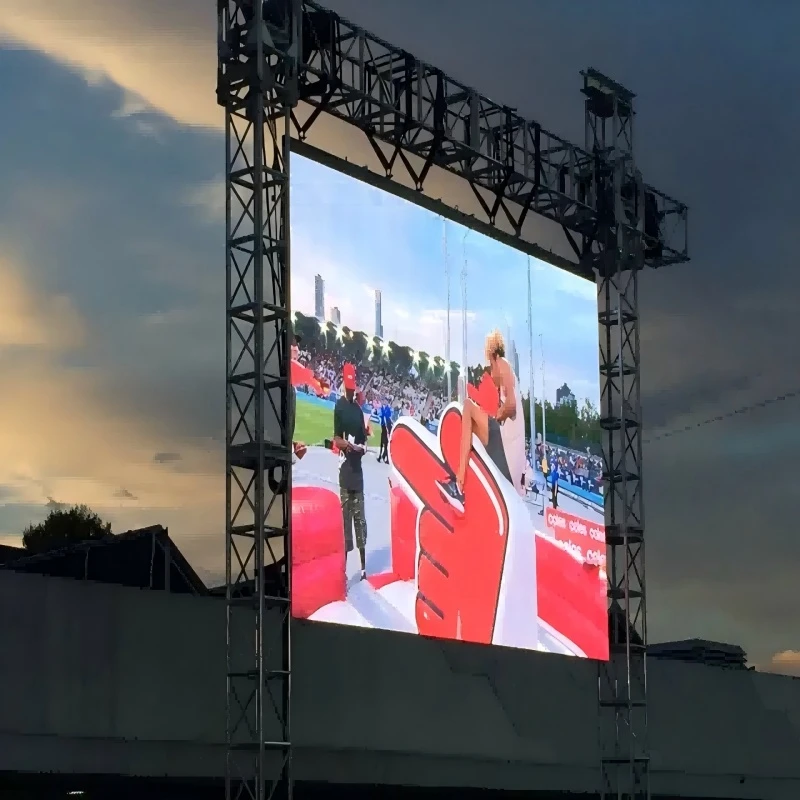
In major concert venues, video processors scale 4K camera feeds to massive LED screens, applying real-time color corrections to match stage lighting.
Corporate Environments
Boardrooms use video processors for seamless splicing and picture-in-picture functionality, displaying presentations alongside video calls.
Broadcast Studios
Television studios rely on processors to handle multi-source inputs on LED screen backdrops, ensuring color accuracy for on-air visuals.
Challenges and Future Trends
While video processors are robust, challenges like compatibility with emerging standards (e.g., HDR) persist. Manufacturers continuously work to ensure seamless integration with the latest display technologies and content formats.
Emerging Developments
- AI-enhanced processors that auto-optimize for specific LED screens, predicting and correcting issues in real-time
- Edge computing capabilities for faster processing and reduced latency in large-scale installations
- Improved energy efficiency to align with sustainability initiatives in digital signage
- Enhanced cloud integration for remote monitoring, management, and firmware updates
- Support for 8K and higher resolutions as LED screen technology continues to advance
As LED screens evolve with finer pitches and flexible forms, processors will become even more integral to creating intelligent digital ecosystems that deliver exceptional visual experiences across diverse applications.
Ready to Enhance Your LED Display Performance?
Discover how advanced video processors can transform your LED screens into powerful digital communication tools with superior image quality and reliability.