


Introduction to Flexible LED Display
The flexible LED display represents a groundbreaking advancement in visual technology, offering unparalleled versatility for various applications. Unlike traditional rigid screens, the flexible LED display can bend, curve, and conform to irregular surfaces, making it ideal for creative installations. This innovative flexible LED display technology utilizes light-emitting diodes (LEDs) embedded in a pliable substrate, allowing for seamless adaptation to unique shapes and forms. The flexible LED display has revolutionized the way we think about digital signage, enabling designers and engineers to push the boundaries of what's possible in display solutions.
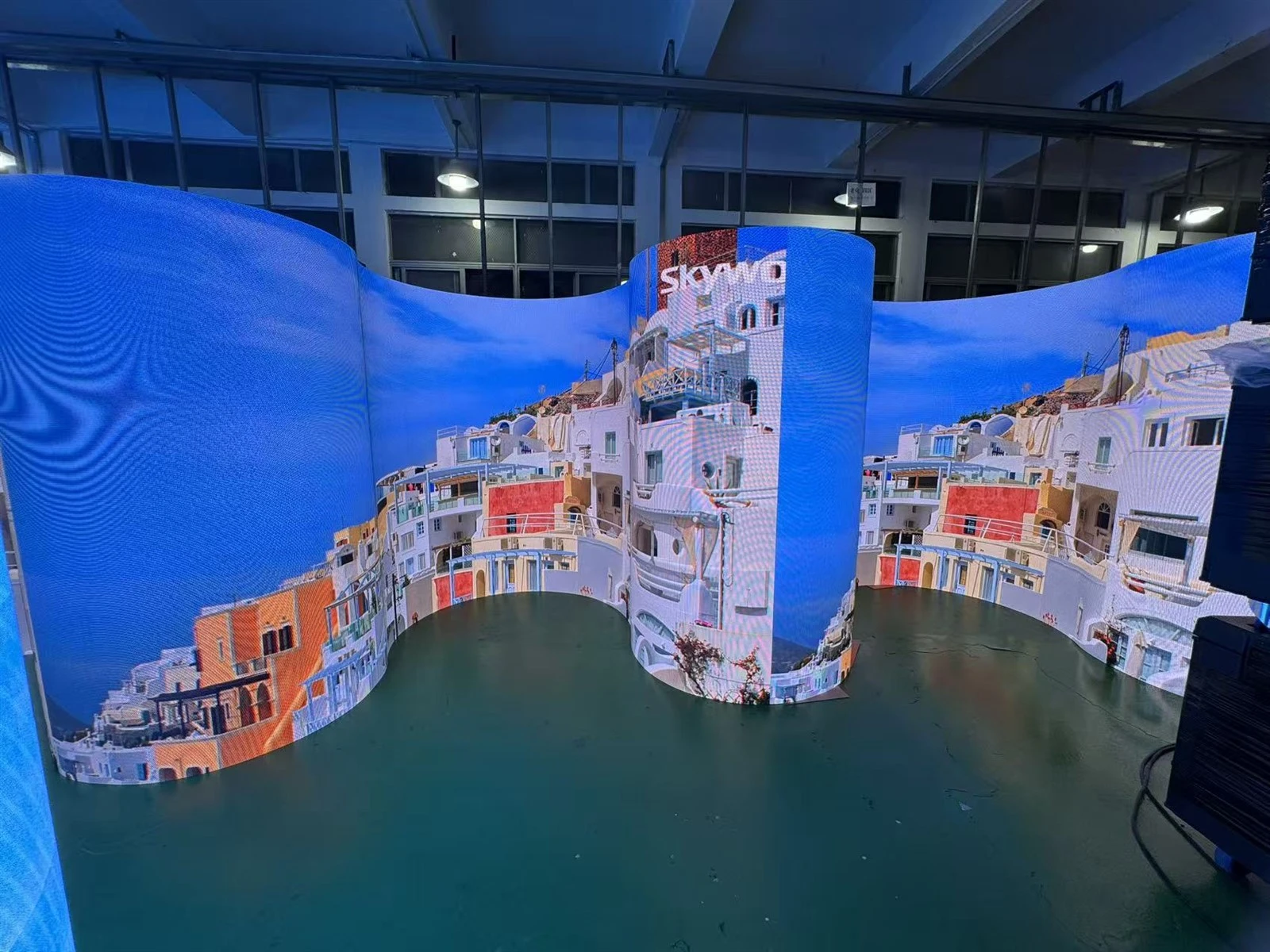
At its core, the flexible LED display consists of modular panels that can be customized in size, resolution, and curvature. These panels are lightweight and thin, often measuring just a few millimeters in thickness, which enhances their portability and ease of installation. The flexible LED display supports high-resolution imagery, vibrant colors, and excellent brightness levels, ensuring visibility even in challenging lighting conditions. Manufacturers of flexible LED display products focus on durability, incorporating protective layers to withstand environmental factors like dust, moisture, and impacts.
The evolution of the flexible LED display stems from advancements in materials science and electronics. Early versions of flexible LED display were limited in flexibility and resolution, but recent developments have led to products that can achieve pixel pitches as fine as 1mm while maintaining bendability up to 360 degrees in some models. This makes the flexible LED display suitable for both indoor and outdoor use, with weatherproof variants available for exterior applications.
One of the key appeals of the flexible LED display is its customization potential. Businesses can order flexible LED display units tailored to specific dimensions, shapes, and functionalities. For instance, a flexible LED display can be designed as a cylindrical column for retail environments or as a wavy wall for artistic exhibits. The integration of smart controls in flexible LED display systems allows for real-time content management, remote updates, and interactive features, enhancing user engagement.
In terms of energy efficiency, the flexible LED display outperforms many conventional displays. LEDs consume less power while delivering superior luminosity, which translates to lower operational costs over time. Moreover, the modular nature of flexible LED display means that individual sections can be replaced without overhauling the entire setup, promoting sustainability and reducing waste.
The market for flexible LED display is growing rapidly, driven by demand in sectors like advertising, entertainment, and architecture. As technology progresses, the flexible LED display continues to evolve, incorporating features like transparency and higher refresh rates for smoother video playback. Whether for large-scale installations or compact setups, the flexible LED display offers a dynamic solution that combines aesthetics with functionality.
Overall, the introduction of the flexible LED display marks a shift towards more adaptive and immersive visual experiences. Its ability to blend into environments seamlessly sets it apart from static alternatives, making the flexible LED display a preferred choice for innovative projects worldwide.
Features of Flexible LED Display
The flexible LED display boasts a range of impressive features that make it stand out in the display industry. First and foremost, the bendability of the flexible LED display allows it to conform to curved, cylindrical, or even spherical surfaces without compromising image quality. This flexibility is achieved through soft PCB boards and silicone or rubber-based materials, enabling the flexible LED display to handle concave and convex shapes effortlessly.
Another notable feature of the flexible LED display is its high brightness and contrast ratio. With luminance levels often exceeding 1000 nits, the flexible LED display ensures clear visibility in bright ambient light. The color reproduction in flexible LED display is exceptional, supporting a wide color gamut that delivers lifelike images and videos. This makes the flexible LED display perfect for applications requiring vivid visuals.
Durability is a hallmark of the flexible LED display. Designed to endure bending cycles without failure, the flexible LED display incorporates robust components that resist wear and tear. Many flexible LED display models are IP-rated for protection against water and dust, extending their lifespan in various environments. Additionally, the lightweight construction of the flexible LED display facilitates easy transportation and installation, often requiring minimal structural support.
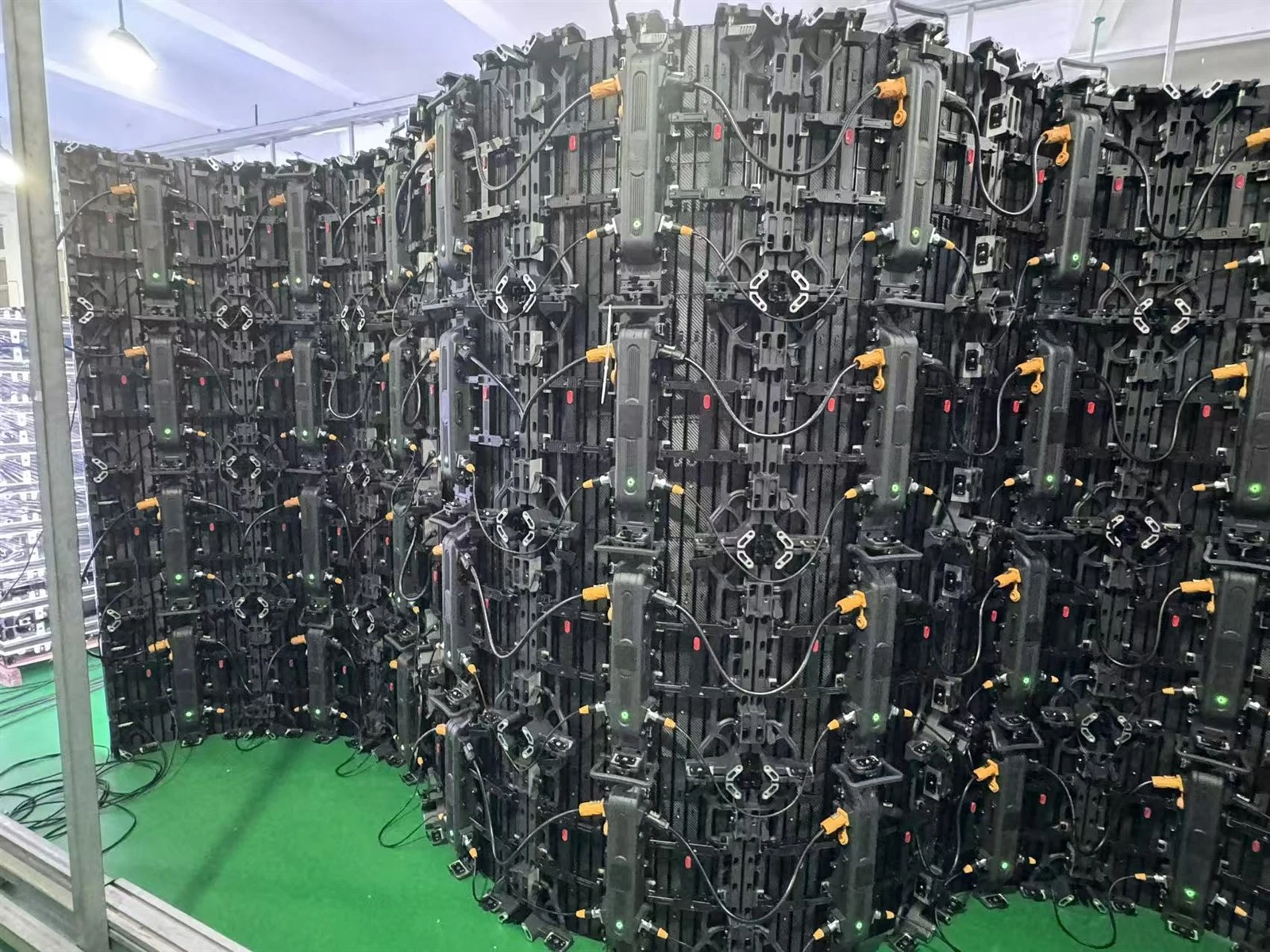
Customization is a core strength of the flexible LED display. Users can specify pixel density, module size, and control systems to match their needs. The flexible LED display supports seamless splicing, allowing for the creation of large-scale displays without visible gaps. Advanced flexible LED display variants include touch-sensitive capabilities or integration with AR/VR technologies, adding interactive elements.
Energy efficiency is another key feature of the flexible LED display. By using low-power LEDs, the flexible LED display reduces electricity consumption compared to traditional backlit screens. Heat dissipation in flexible LED display is optimized through efficient designs, preventing overheating during prolonged use. Maintenance is simplified in flexible LED display systems, with front-access modules that allow quick repairs without dismantling the entire structure.
The flexible LED display also excels in viewing angles, offering up to 160 degrees horizontally and vertically without color distortion. This wide-angle performance ensures that the flexible LED display can engage audiences from multiple perspectives. Furthermore, the refresh rate in flexible LED display can reach over 3840Hz, minimizing flicker and providing smooth motion for dynamic content.
In terms of connectivity, the flexible LED display supports various inputs like HDMI, DVI, and wireless options, making integration with existing systems straightforward. Software for managing flexible LED display content is user-friendly, enabling scheduling, zoning, and analytics. Security features in modern flexible LED display include encryption to protect sensitive data.
Overall, the features of the flexible LED display combine to offer a versatile, reliable, and high-performance solution that caters to diverse requirements, solidifying its position as a leader in modern display technology.
Usage Scenarios for Flexible LED Display
The flexible LED display finds extensive applications across multiple industries, thanks to its adaptability and visual prowess. In retail environments, the flexible LED display is used to create eye-catching storefronts and in-store displays. For example, a curved flexible LED display wrapped around pillars can showcase promotions, drawing customers' attention effectively. The ability of the flexible LED display to fit irregular spaces makes it ideal for shopping malls and boutiques.
In the entertainment sector, the flexible LED display enhances stage designs and concerts. Artists utilize flexible LED display for immersive backdrops that curve around performers, creating dynamic visual effects. Nightclubs and theaters employ flexible LED display for ceiling installations or wavy walls, providing an engaging atmosphere. The high refresh rate of flexible LED display ensures seamless integration with lighting and sound systems.
Architectural applications benefit greatly from the flexible LED display. Buildings incorporate flexible LED display into facades for aesthetic lighting or informational purposes. Curved flexible LED display can follow the contours of structures, turning ordinary walls into interactive art pieces. Museums use flexible LED display for exhibits, where screens conform to sculptures or historical artifacts, offering educational content in innovative ways.
Transportation hubs like airports and train stations use the flexible LED display for wayfinding and advertising. Cylindrical flexible LED display columns provide 360-degree information, visible from all directions. The durability of flexible LED display withstands high-traffic areas, ensuring reliable performance.
In corporate settings, the flexible LED display is employed in conference rooms and lobbies. Custom-shaped flexible LED display can serve as video walls for presentations or branding. The interactive features of flexible LED display allow for touch-based collaborations, enhancing meetings.
Sports venues leverage the flexible LED display for scoreboards and perimeter advertising. Flexible LED display can be installed on curved surfaces around stadiums, delivering real-time updates and sponsor messages. The brightness of flexible LED display ensures visibility under stadium lights.
Healthcare facilities adopt the flexible LED display for patient information and waiting areas. Gentle curves in flexible LED display create calming environments, displaying health tips or entertainment.
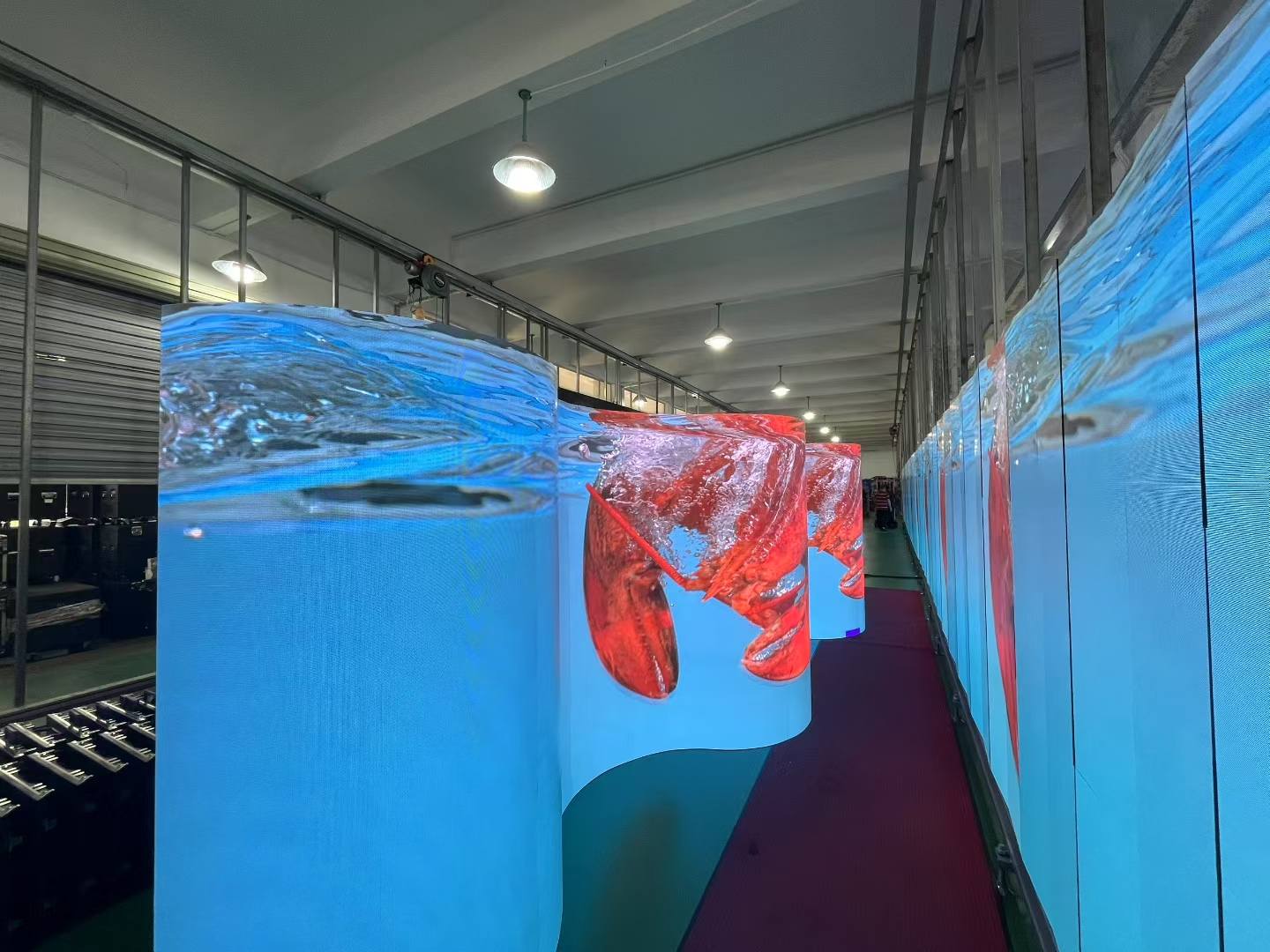
Educational institutions use the flexible LED display in classrooms and auditoriums. Portable flexible LED display setups facilitate interactive learning, with screens that can be reconfigured easily.
Event planners favor the flexible LED display for trade shows and exhibitions. Booth designs with flexible LED display attract visitors through unique shapes like spheres or waves.
Automotive showrooms integrate flexible LED display into vehicle displays, wrapping screens around cars for promotional videos.
If you have any interesting about the flexible led screen,welcome to contact with me any time!!!!